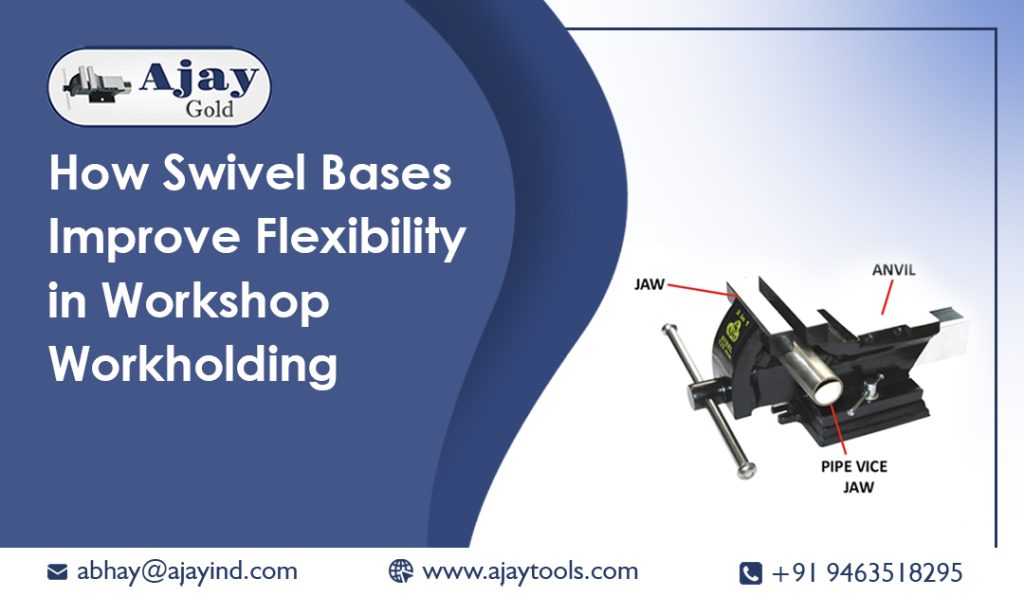
A vise is one of the most helpful tools in a workshop. Any time you need to file, drill, grind, assemble, or cut a workpiece with any of the available tools in the shop, you are most certainly going to find a vice to clamp the workpiece securely in place. One of the most important things about the vice is the jaw of this tool. As you may notice, vice jaws can be either serrated or smooth. This raises a question: why are the jaw surfaces smooth or serrated? The reason for the differing vise jaw designs is based on the part you’re clamping, how much of a grip it can stand, and if you intend for the part to come out without damaging the surface.
What is a Vise Jaw?
A vice jaw is just the part of the tool that clamps your workpiece, while you turn the handle so the second jaw moves forward and clamps everything tight. But the part holding that workpiece actually does more for keeping your part held than many people may believe. A smooth jaw will just grip so that it holds the workpiece in place, and a serrated jaw grips the part more by biting into the surface slightly, but not forcefully.
Why Are Some Vise Jaws Smooth?
If you consider the workpiece being clamped, you’ll find that some need it to be protected while they are being clamped. A smoothly shaped jaw surface doesn’t leave an extreme amount of marks, scratches, or indentations behind after you’re done clamping the workpiece. Therefore, you will find smoothly surfaced jaws often used on things like a finished product. This is a great surface for some of these more delicately prepared materials because it puts an even amount of pressure on a flat surface.
Why are Vise Jaws Serrated?
As the term implies, jaws made with serrations consist of grooves on their surfaces that provide a more controlled grip. These irregular surfaces help prevent anything you’re holding from slipping around because it digs in just enough to provide additional mechanical grip. Rough metals and sometimes irregular objects require maximum grip to hold the thing stable while drilling or grinding.
Cutting, grinding, drilling, and any heavy machining on workpieces generate great vibration. In this situation, it is always better for the jaws to be on the aggressive serrated surface so that the job being worked on at least stays stationary in the jaws.
Smooth or Serrated: What to use?
It is based entirely on what your workpiece needs and how you intend on dealing with what your workpiece can withstand. Smooth jaws will be the best if:
- You’re worried about marring your workpiece with too many marks and scratches.
- The item you’re gripping is finely finished/machined metal.
- You don’t need extreme clamping force, and you only need to secure the thing with what’s reasonable.
Serrated jaws will be the best if:
- You absolutely need the workpiece to stay in place, and it could damage your workpiece more by slipping.
- You’re working on or with a rough/unmachined surface.
- Your workpiece requires an enormous amount of force and machining.
Choose the right vice
It depends on the surfaces on it; there’s a lot of additional criteria to check for when buying the right kind of vise. These criteria depend on what kind of work you’re most likely to do and what size or shape those pieces will be. For drilling, we might recommend the Drill Press Vice, while most things like cutting, filing, and assembling require a vise that can mount onto a table and be turned around to allow you access where needed. Beyond that, build quality, jaw widths, capacity, and many more things must be considered when choosing a vise or buying an item from a reliable Vice Manufacturer in India.
Conclusion
Both serrated and smooth jaws will fulfill completely different criteria for our grip. When compared, it is clear that the jaws have much more varied functions and capabilities depending on the design they adhere to. If you are looking to buy the best quality vices for your workshop, you can contact Ajay Tools.