Metalworking involves shaping and forming hot metal, which is one of the oldest processes. Whether it’s about traditional blacksmithing or modern industrial forging, hot metals are shaped using a variety of specialized hand tools. You can shape metallic pieces safely using the right tools while also achieving the right dimensions and shape of the heated metal. These tools come in several forms, such as hammers, anvils, swages, tongs, chisels, and other industrial forging tools. However, what tools are used to shape and form heated metal? In this guide, we’ll make a list of the most important tools used in metalworking and forging.
A list of tools used in shaping and forming heated metals
- Anvils
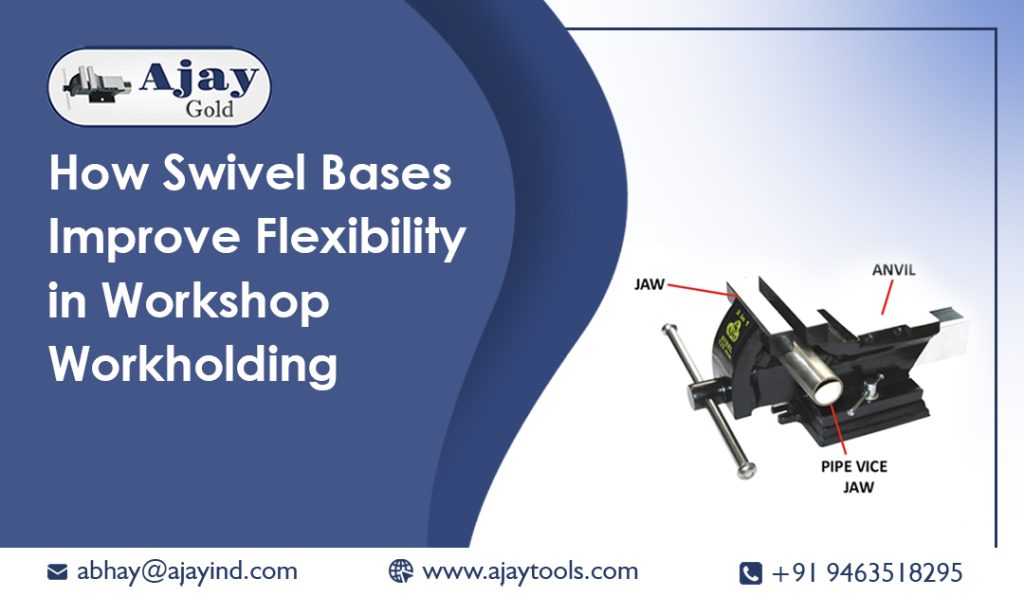
An anvil possesses a stable and robust surface that is used for hammering heated metal to shape it. It has a flat face, a horn, and several holes, allowing different forming operations. Forging and flattening of heated metal can be done on the flat face of an anvil; on the other hand, the horn is used for bending and creating curved shapes. A good anvil must be heavy enough to bear repeated hammering without getting deformed.
- Forging Hammers
The impact of the forging hammer on the hot metal is what is required to form the metal into various shapes. There are various forms of forging hammers and their use: In normal forging a general hammer is typically employed, whereas for heavy forging a sledge hammer is useful when more impact has to be imparted. Below are a few forging operations performed with a forging hammer:
- Drawing out the metal
- Flattening the metal
- Bending the metal
- Forming the shape
- Punching holes in the metal
Straightening any curved or distorted piece. Purchase the hammer according to the temperature and the size of the workpiece and also the kind of forming operation being executed.
- Tongs
You need to have the right gripping tools to handle hot metal safely. That’s why forging tongs are used. They allow you to hold, place, and manipulate hot metal. Choose the appropriate size and shape of tongs. The jaws of the tongs must offer a secure grip so you can maintain control during forging. Choose the right tongs for a safe forging practice because hot metal often reaches extremely high temperatures.
- Chisels
Purchase chisels in order to shape, split, or cut hot metal. Using an already hot chisel on hot metal to achieve results such as producing groovations and cutting pieces from bars will cut stock material and remove sections of stock from bars. The chisel needs to be ideal for its use. Apply the correct technique in order to acquire the desired cut as well as keep tool wear to a minimum.
- Swages
Swages are the means to transform metal into requested profiles. There are different profiles and specifications for the swages that are available. Square, round and rectangular shapes are commonly achievable using swages.
- Fullers
Indentations and grooves can be used to affect the shape of hot metal by making controlled changes. They must be used when performing forge work using fullers to accomplish.
- Punches
Hot metals can be punched using punches to make a hole in the piece. They are usually seated where the punch is going to go, and the piece is struck to make the hole.
- Drifts
Using a punch on hot metal tends to work the hole over on itself, it does not always produce the desired size. Therefore, in order to adjust this, a drift is placed in the center of the hole, and struck.
- Forging Dies
To shape hot metal into repeatable forms, forging dies are used. You can produce components that need repeatability through forging dies.
Hot Forging vs Cold Forming
The temperature of the material during processing is the primary factor that makes the difference between hot forging and cold forging. In hot forging, before the metal is shaped, it is heated to an appropriate temperature. Heated metal makes it easier to deform with lower forming forces.
On the other hand, cold forming takes place at or near room temperature. It offers excellent dimensional accuracy and surface finish but needs greater forming forces. Hot forging is mainly used when significant changes in the shape of the metal component are required.
Conclusion
Forming and shaping heated metal needs a combination of force, heat, and specialized hand tools. The most common tools are listed in this blog. If you are looking for an anvil tool, you can get in touch with Ajay Tools. Apart from anvils, we also specialize in manufacturing and supplying bench vices, table vices, drill press vices, machine vices, clamps, and lubrication equipment. Request a quote for pricing of these hand tools.
Other Useful Product: